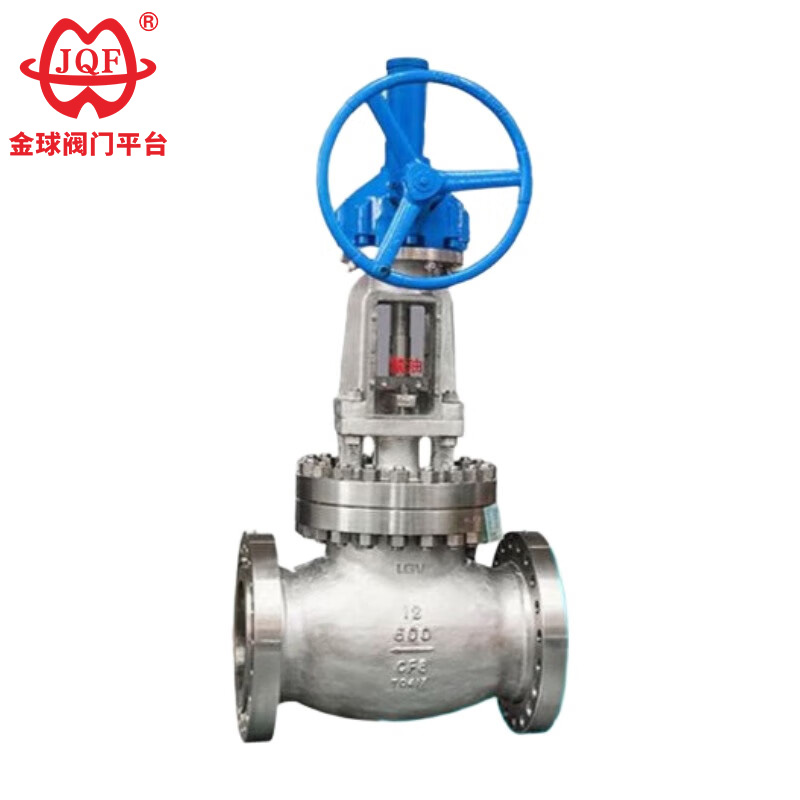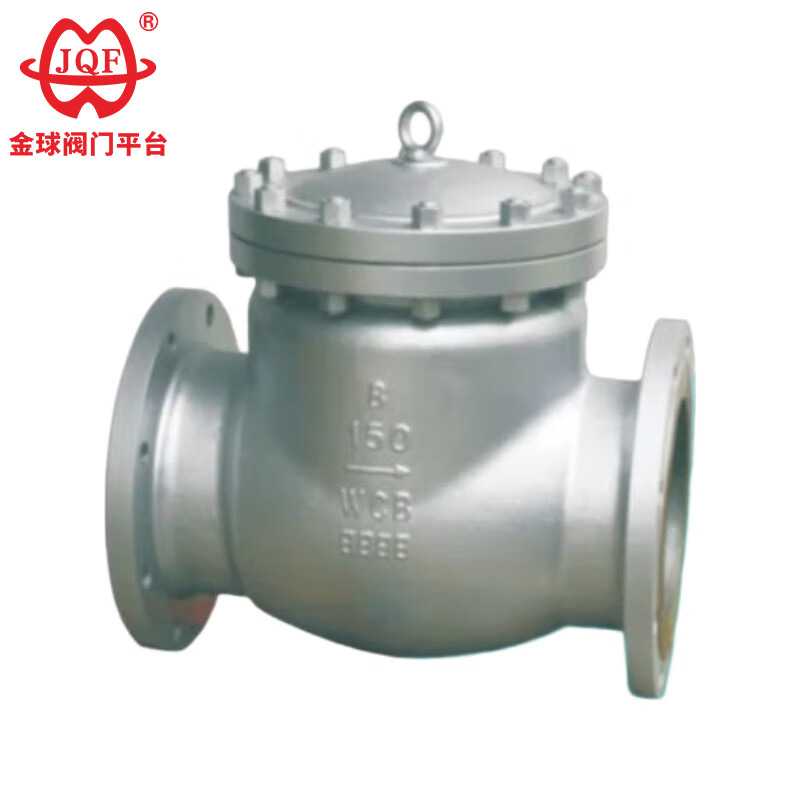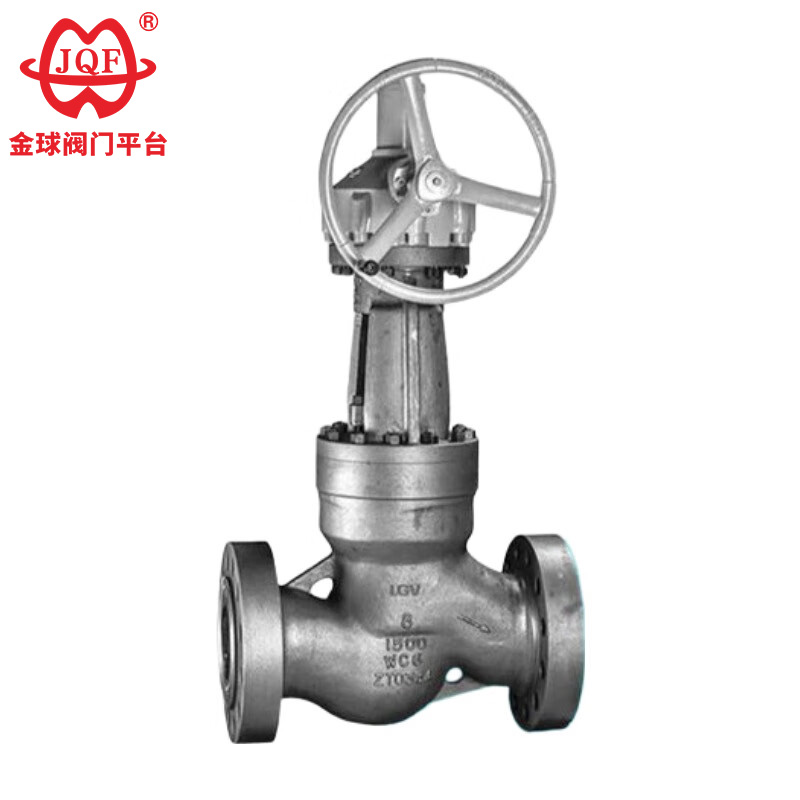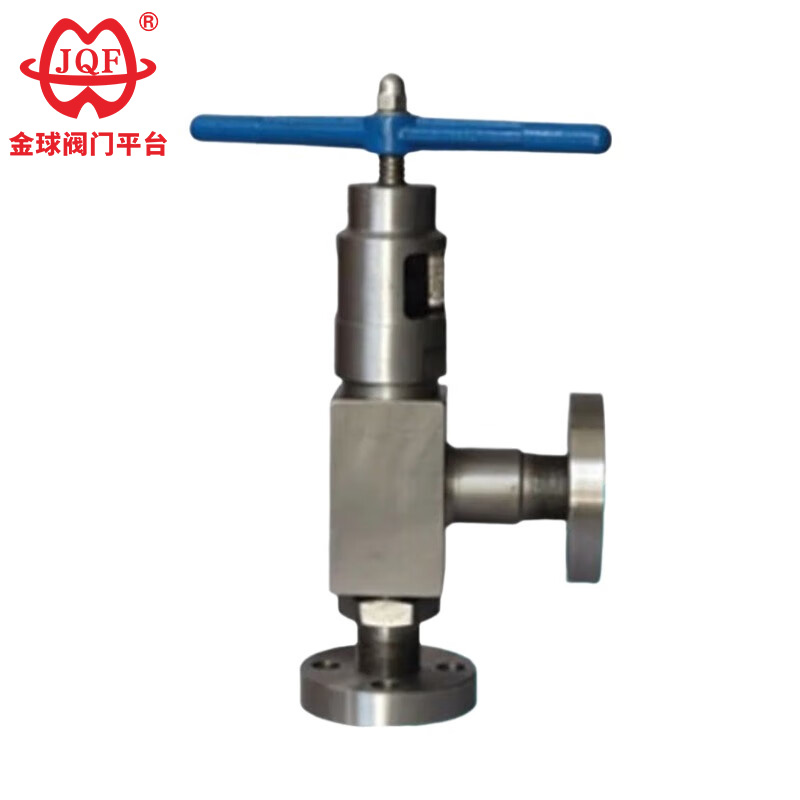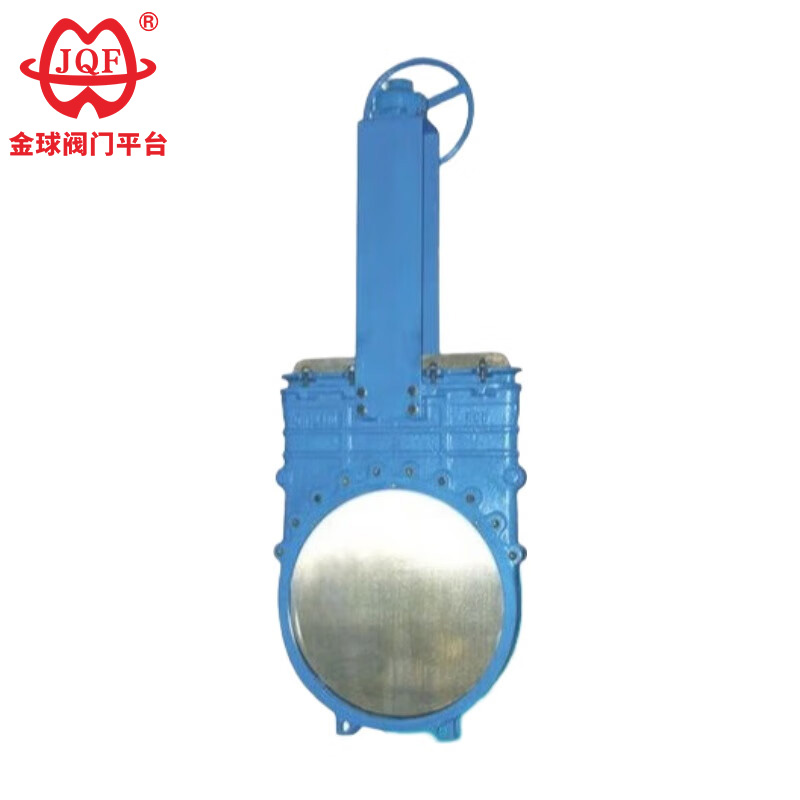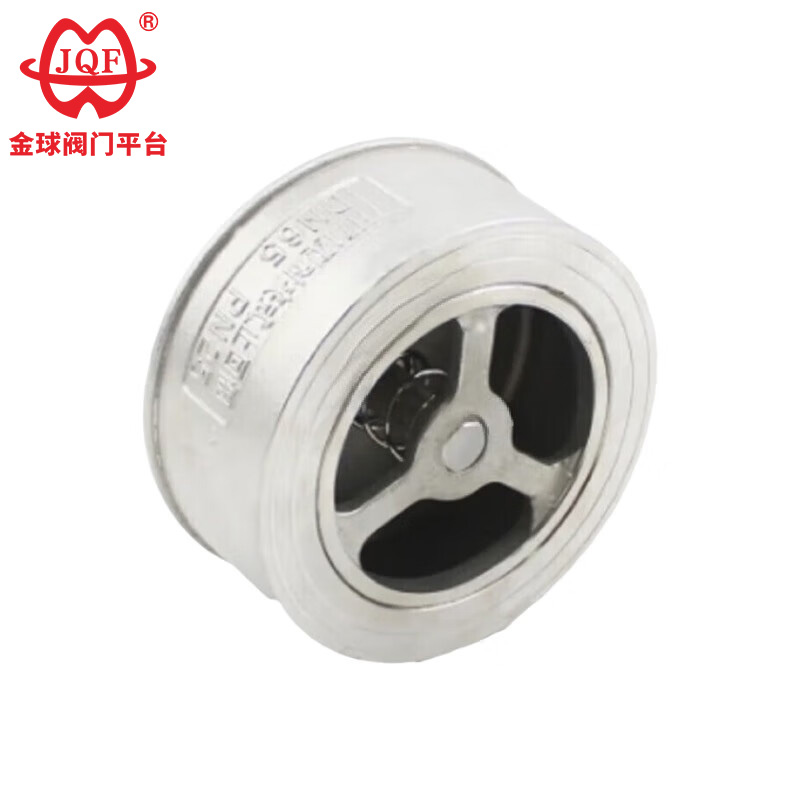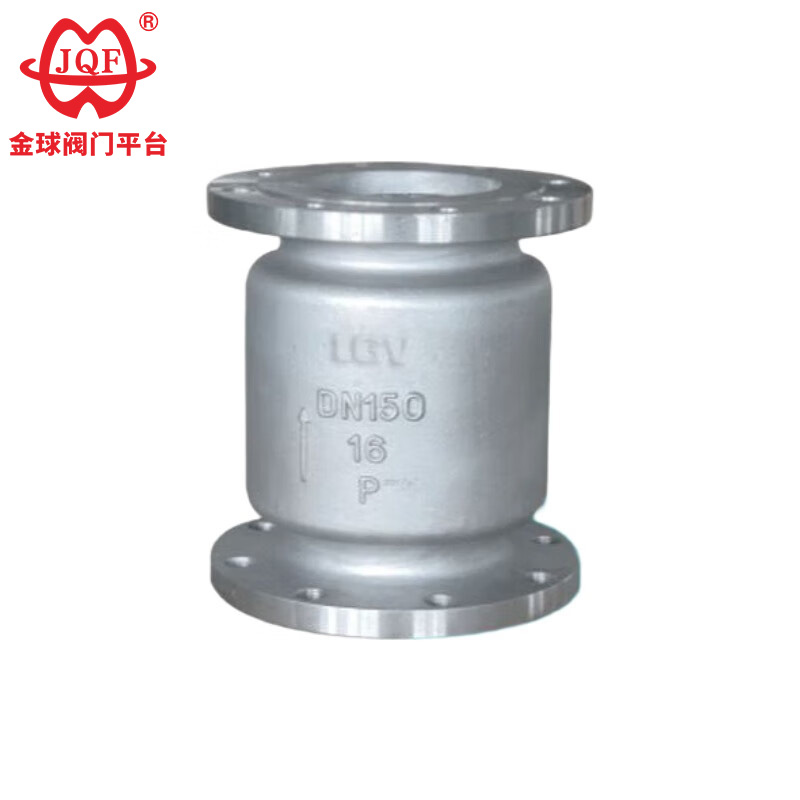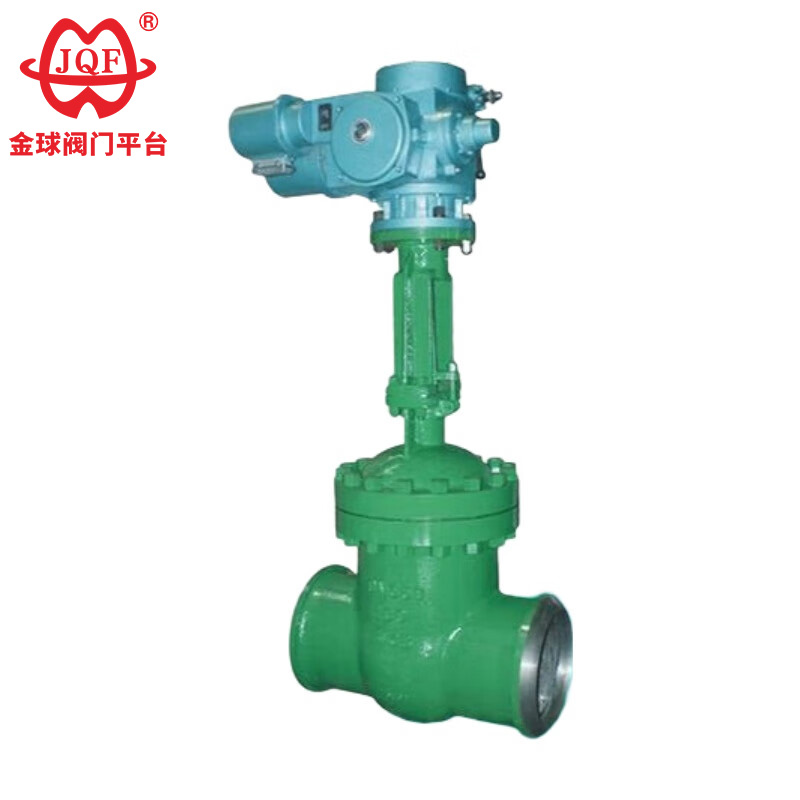

Wafer check valves play a critical role in preventing backflow and protecting piping systems across a wide range of industries. However, selecting the right wafer check valve requires a deep understanding of valve types, materials, pressure ratings, installation conditions, and application-specific requirements. This comprehensive guide explores how wafer check valves work, their advantages, selection criteria, common applications, and best practices—helping engineers, procurement specialists, and plant managers make informed decisions.

A wafer check valve is a compact, lightweight, and space-saving non-return valve designed to prevent reverse flow in a piping system. Unlike flanged check valves, wafer check valves are installed between two flanges using bolts, making them ideal for applications with limited installation space.
Wafer check valves are widely used in industries such as water treatment, oil and gas, chemical processing, HVAC, and power generation. Manufacturers like Jinqiu design wafer check valves that meet international standards while offering durability and reliability.
The working principle of a wafer check valve is based on differential pressure. When the upstream pressure exceeds the downstream pressure, the valve opens, allowing fluid to flow. When backflow occurs, the valve automatically closes to protect the system.
This self-actuating mechanism makes wafer check valves highly reliable and maintenance-friendly.
These advantages make wafer check valves a preferred choice for modern pipeline systems.
| Industry | Application |
|---|---|
| Water Treatment | Pumping stations, filtration systems |
| Oil & Gas | Pipeline transportation, refining |
| Chemical Processing | Corrosive fluid control |
| HVAC | Chilled water and heating systems |
| Power Generation | Cooling and steam systems |
Choosing the right type depends on flow characteristics and system requirements.
| Material | Advantages | Typical Use |
|---|---|---|
| Cast Iron | Cost-effective | Water systems |
| Carbon Steel | High strength | Oil & gas pipelines |
| Stainless Steel | Corrosion resistance | Chemical processing |
| Duplex Steel | High pressure resistance | Offshore applications |
Working with experienced manufacturers like Jinqiu ensures optimal valve performance and long-term reliability.
| Valve Type | Space Requirement | Pressure Drop |
|---|---|---|
| Wafer Check Valve | Very Low | Low |
| Swing Check Valve | High | Medium |
| Lift Check Valve | Medium | High |
Yes, spring-loaded wafer check valves are suitable for vertical installations.
Common standards include API, ANSI, DIN, and EN.
With proper selection and maintenance, they can last for decades.
Selecting the right wafer check valve is essential for system safety, efficiency, and longevity. By understanding valve types, materials, and application requirements, engineers can optimize performance and reduce maintenance costs. Trusted manufacturers like Jinqiu offer high-quality wafer check valves designed to meet diverse industrial needs.
If you are looking for reliable, cost-effective, and high-performance wafer check valves, feel free to contact us today to discuss your project requirements and receive professional technical support.