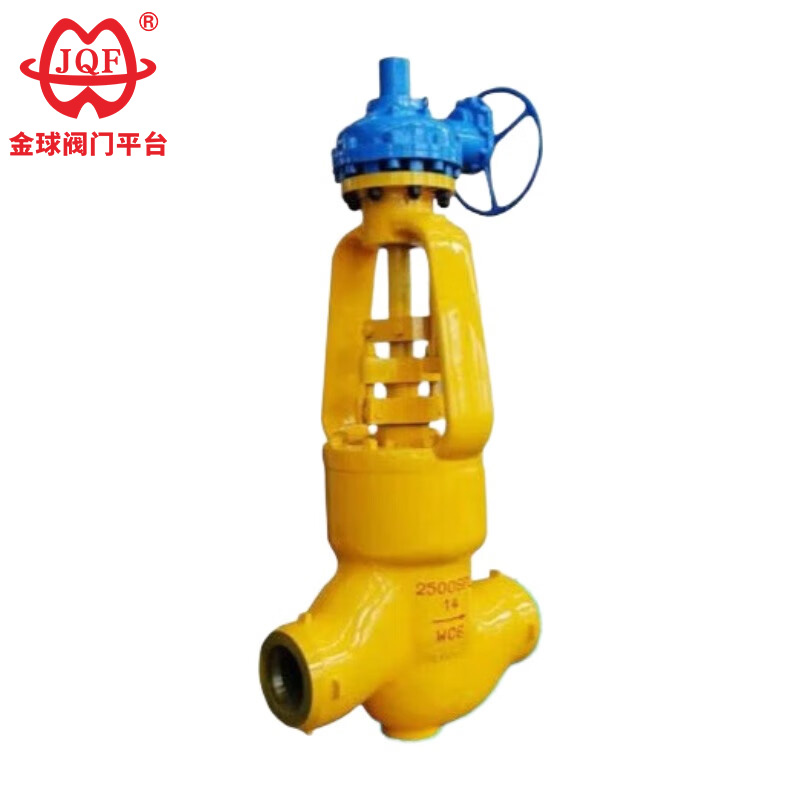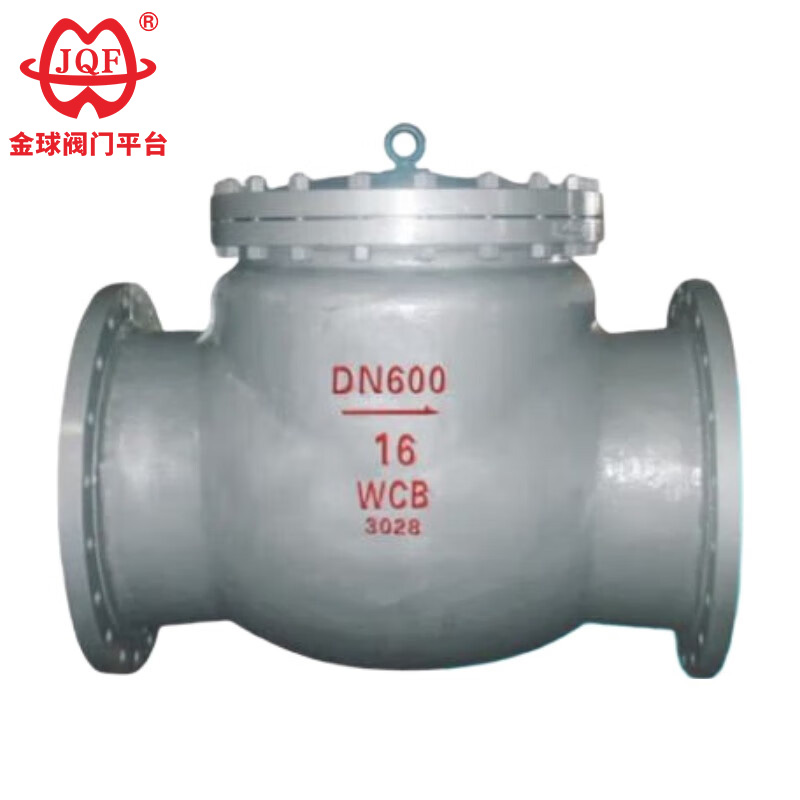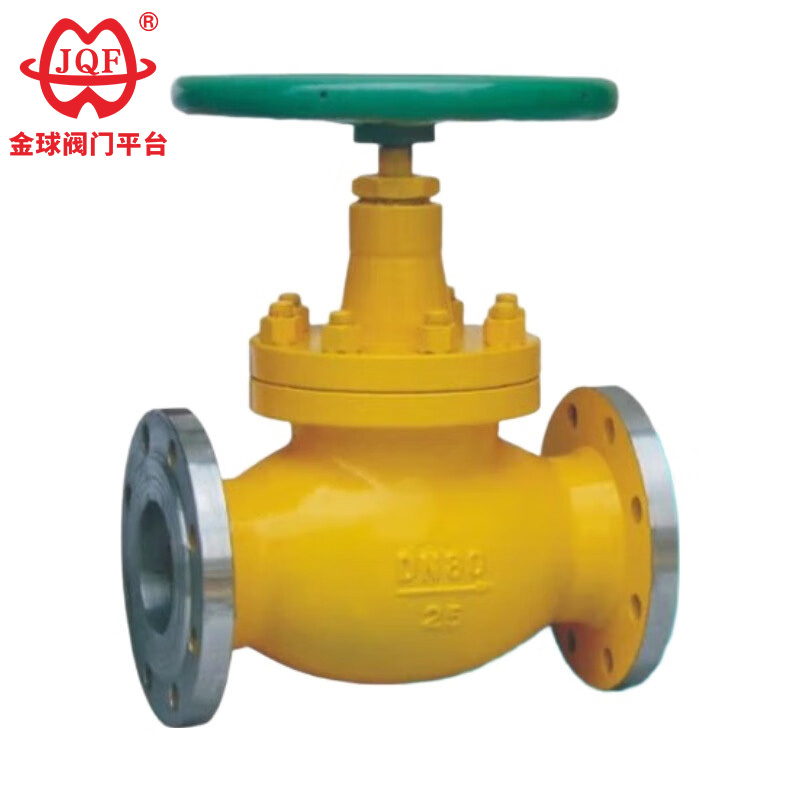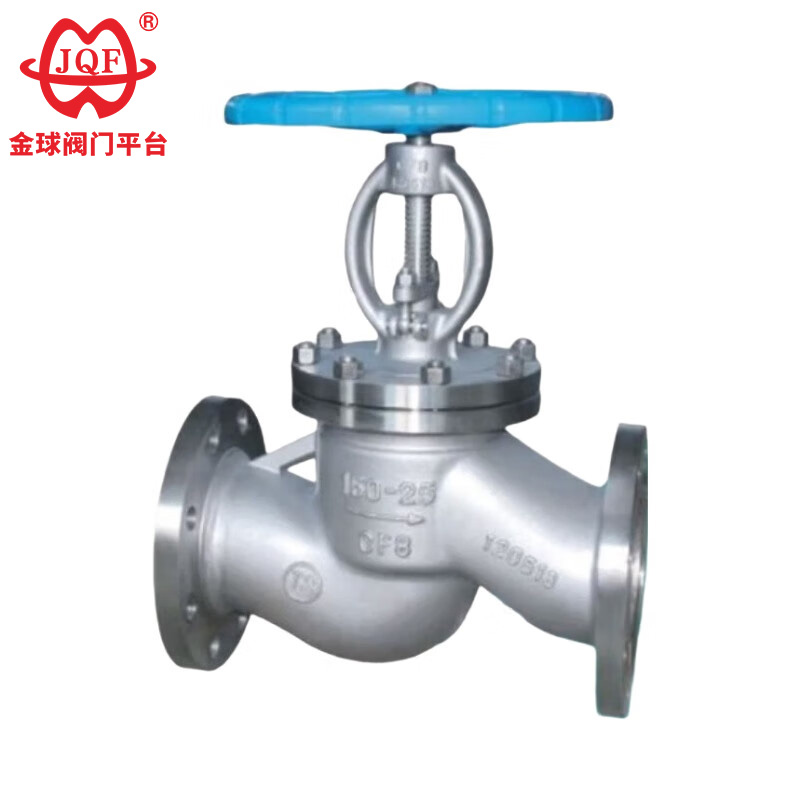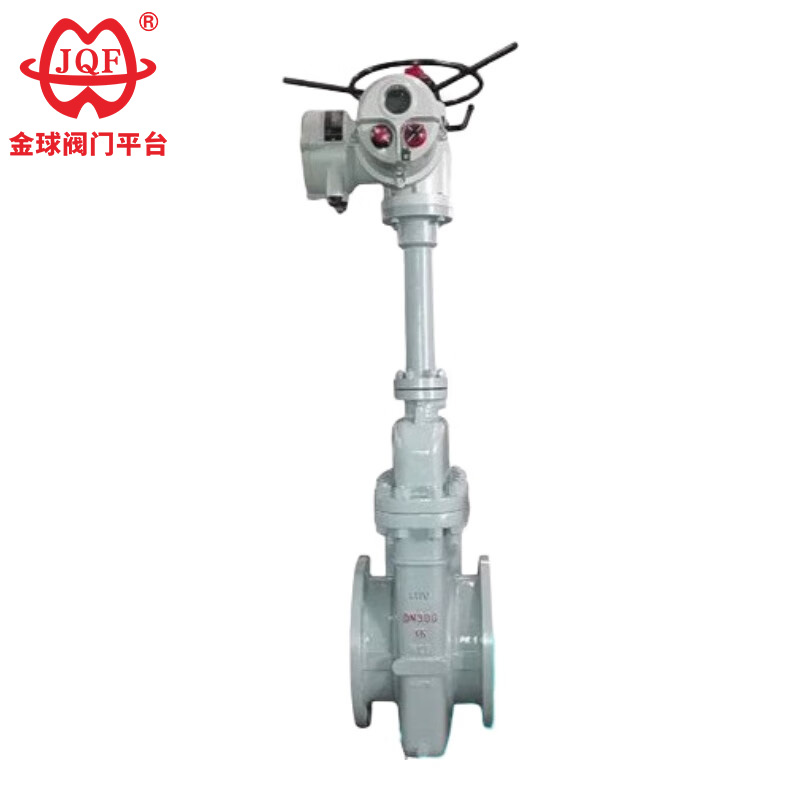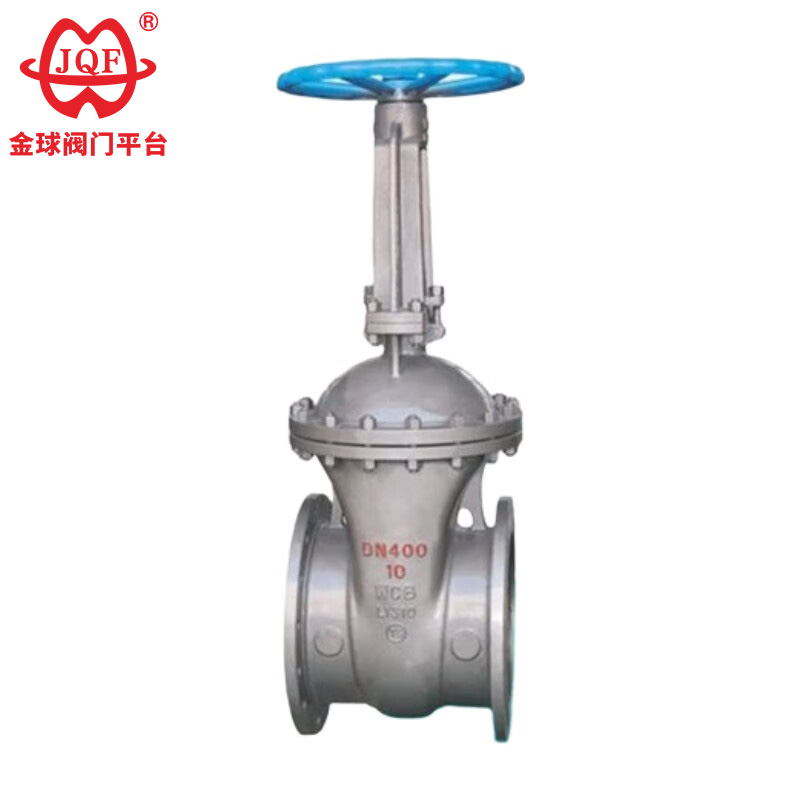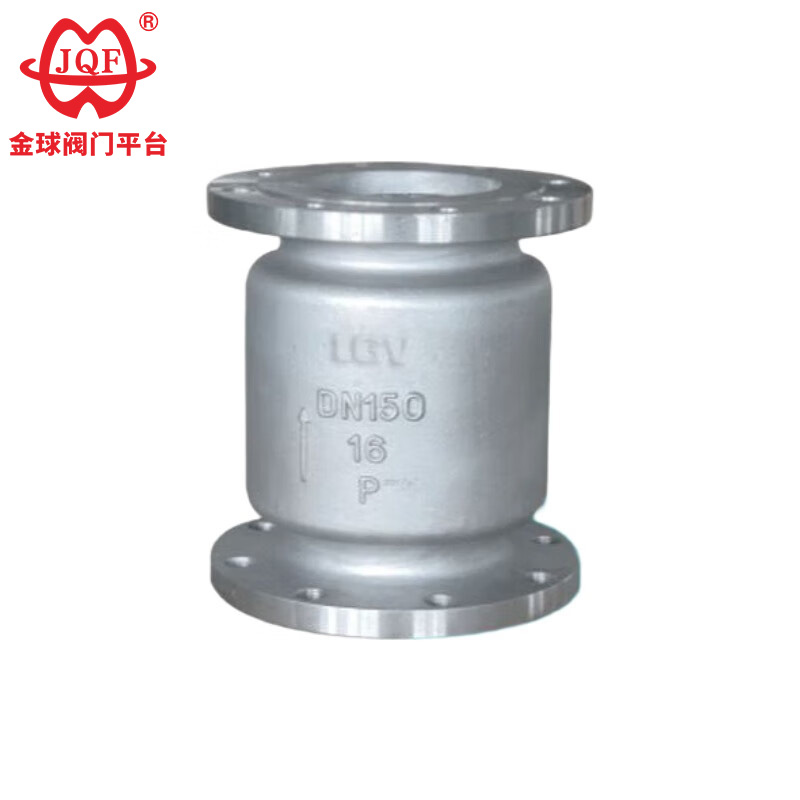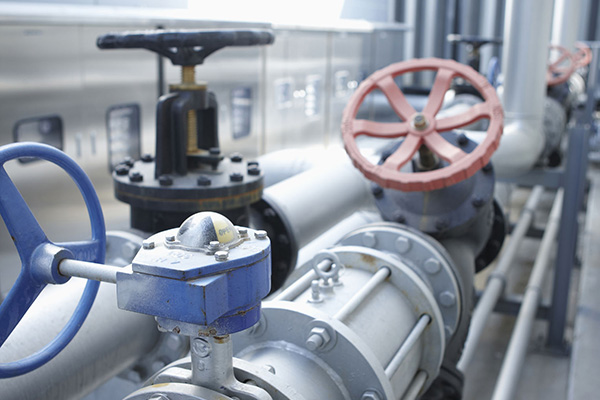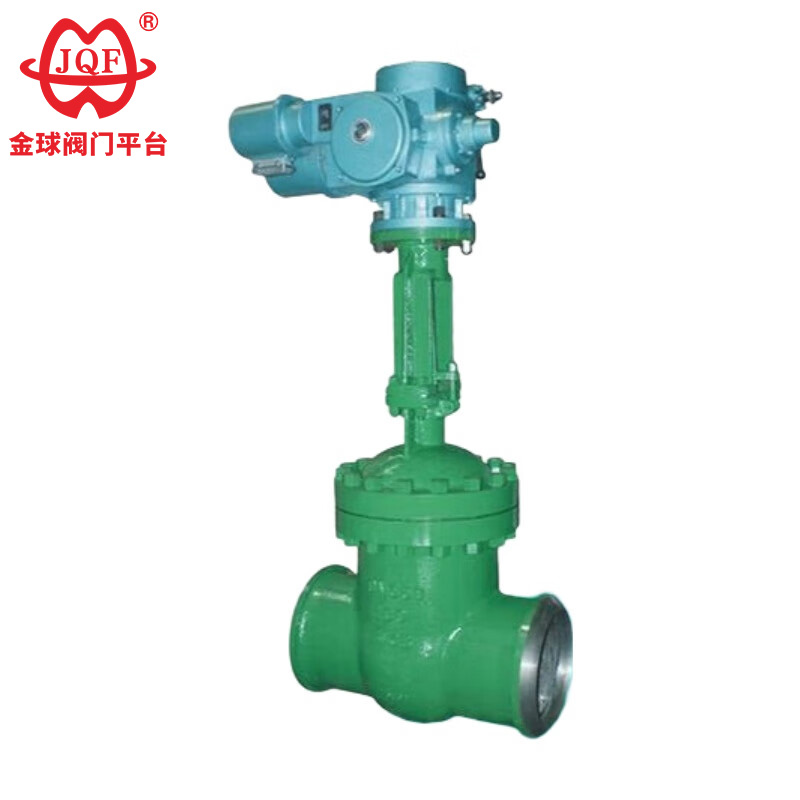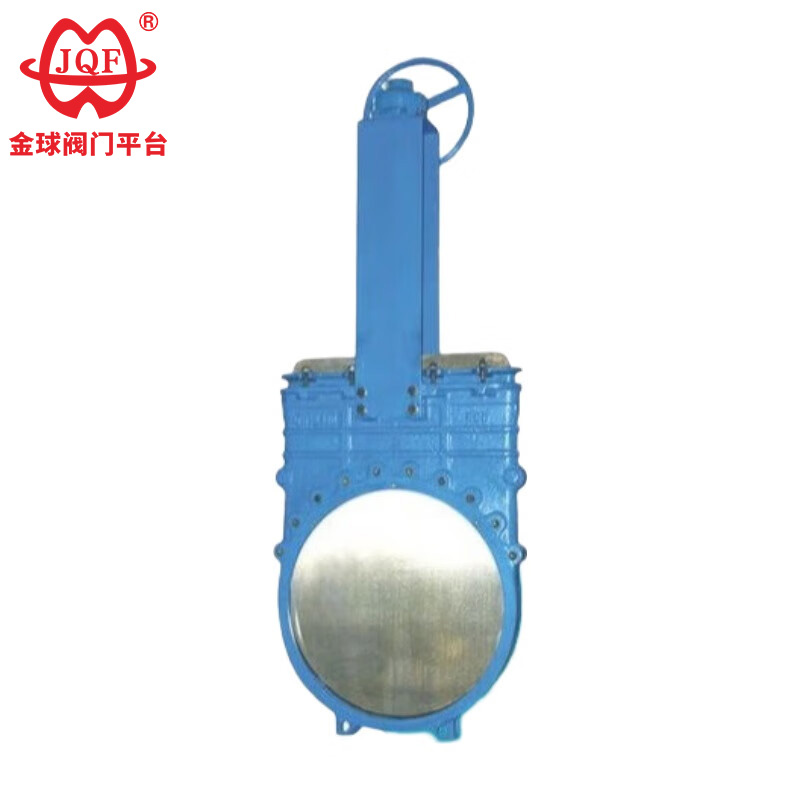

An Electrical Gate Valve is a critical flow control device widely used in modern industrial pipeline systems. By combining a traditional gate valve body with an electric actuator, this valve enables remote, automated, and precise on/off control of fluids. This article provides a comprehensive overview of electrical gate valves, including their working principle, key components, advantages, applications, selection tips, and maintenance guidelines. Whether you are designing an automated system or upgrading existing infrastructure, this guide will help you understand why electrical gate valves are essential in industrial automation.

An Electrical Gate Valve is a type of gate valve equipped with an electric actuator that automatically controls the opening and closing of the valve. Unlike manual gate valves that require hand operation, electrical gate valves allow remote control, making them ideal for automated and unmanned industrial systems.
The valve operates by lifting or lowering a gate (wedge or parallel disc) to either allow full flow or completely block it. Because of their straight-through flow design, electrical gate valves offer minimal pressure loss when fully open.
Manufacturers like JQF design electrical gate valves to meet demanding industrial standards, ensuring reliability, durability, and compatibility with modern control systems.
The working principle of an electrical gate valve is straightforward yet highly effective:
When fully open, the gate is completely lifted out of the flow path, ensuring low resistance and high flow efficiency. When closed, the gate seals tightly against the valve seats, preventing leakage.
Learn more about standard electrical gate valve designs by visiting electrical gate valve specifications.
| Component | Function |
|---|---|
| Valve Body | Houses internal components and connects to the pipeline |
| Gate (Wedge) | Controls flow by moving up or down |
| Electric Actuator | Provides automated operation using an electric motor |
| Stem | Transfers motion from actuator to gate |
| Sealing Seats | Ensure tight shut-off and prevent leakage |
| Feature | Electrical Gate Valve | Manual Gate Valve |
|---|---|---|
| Operation | Automated / Remote | Hand-operated |
| Efficiency | High, suitable for automation | Lower for large systems |
| Safety | Reduced human exposure | Requires on-site operation |
| Initial Cost | Higher | Lower |
These advantages make electrical gate valves a preferred solution for large-scale and automated industrial facilities.
Electrical gate valves are widely used across various industries, including:
When selecting an electrical gate valve, consider the following factors:
Choosing a trusted manufacturer like JQF ensures consistent quality and long-term performance.
No. Electrical gate valves are designed primarily for fully open or fully closed operation.
Yes, provided the actuator has appropriate IP protection and weather-resistant features.
With proper maintenance, high-quality electrical gate valves can last 10–20 years or more.
An Electrical Gate Valve plays a vital role in industrial automation by providing reliable, efficient, and remote flow control. From water treatment plants to oil and gas systems, these valves enhance operational safety and efficiency. By understanding their working principles and selection criteria, you can make informed decisions for your industrial projects.
If you are looking for a reliable electrical gate valve solution tailored to your application, feel free to contact us today to learn more about professional support and customized valve solutions.