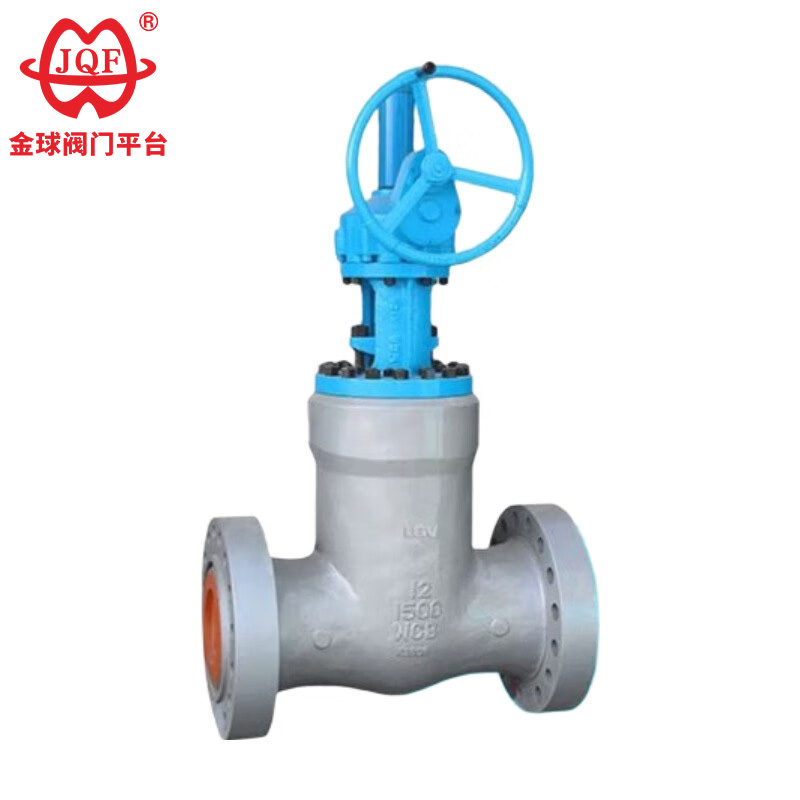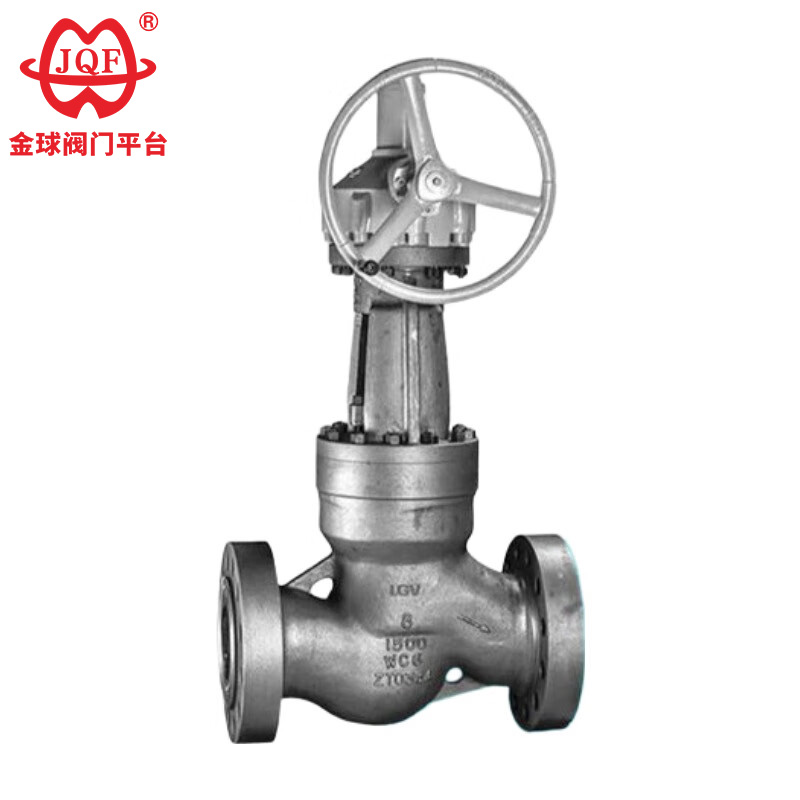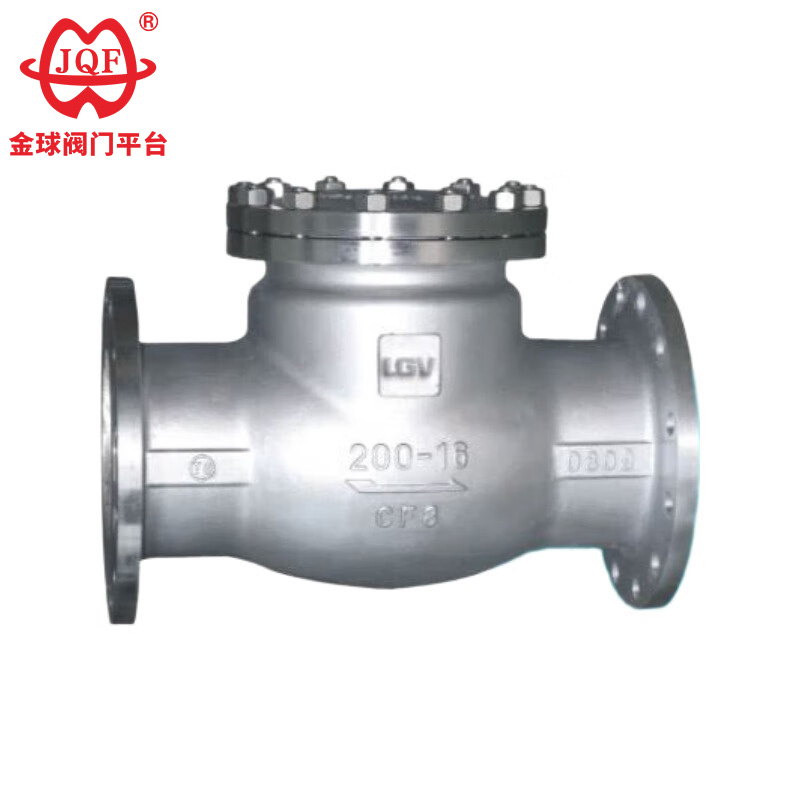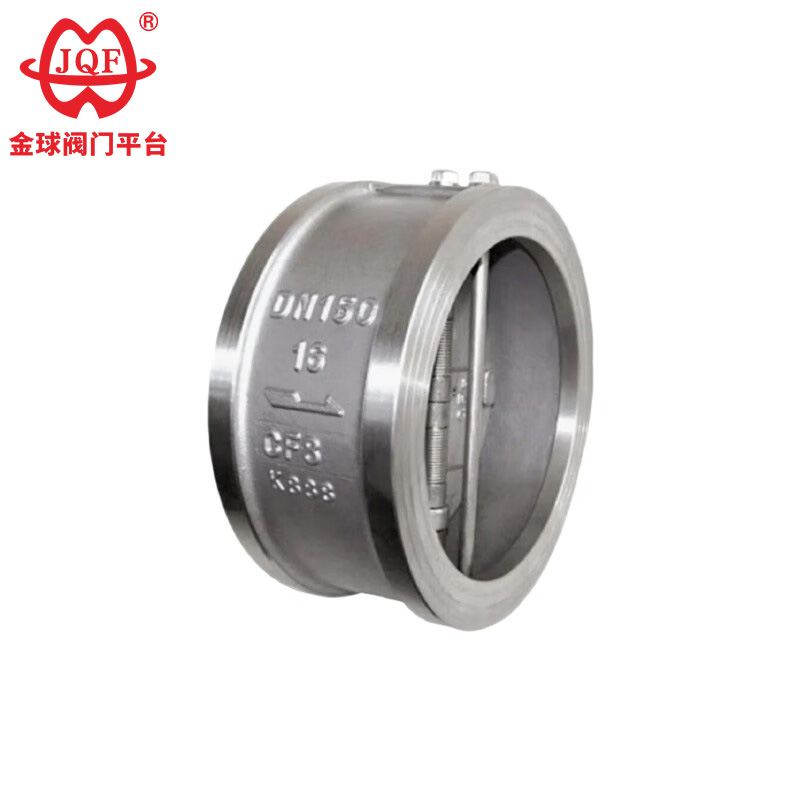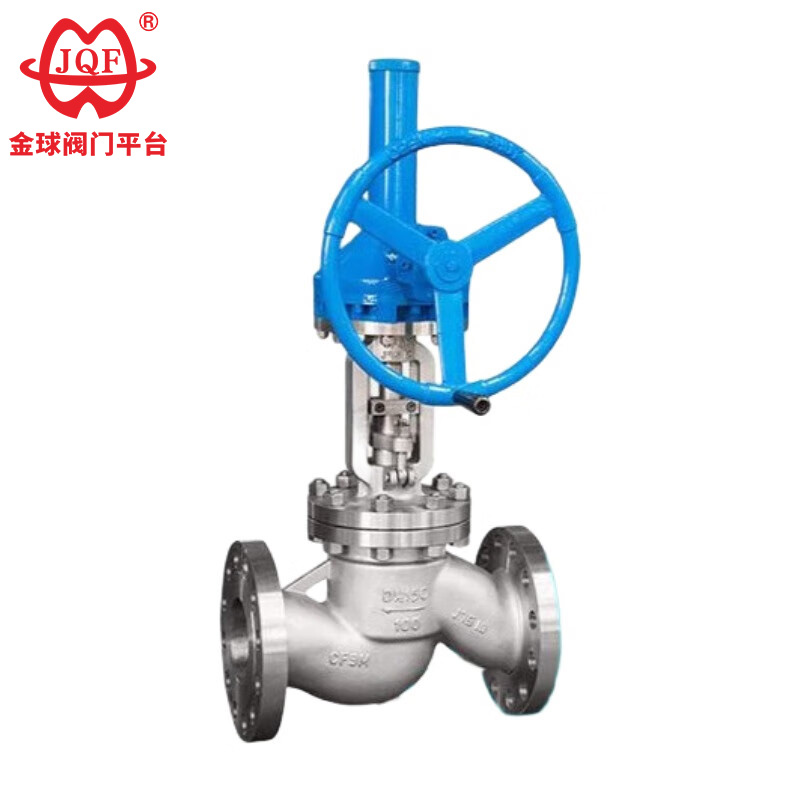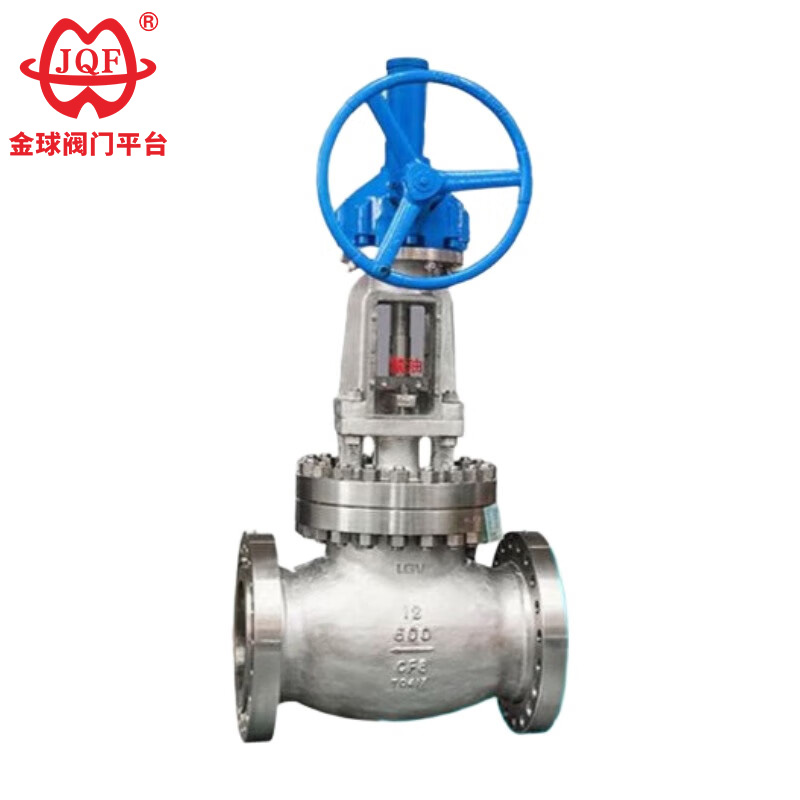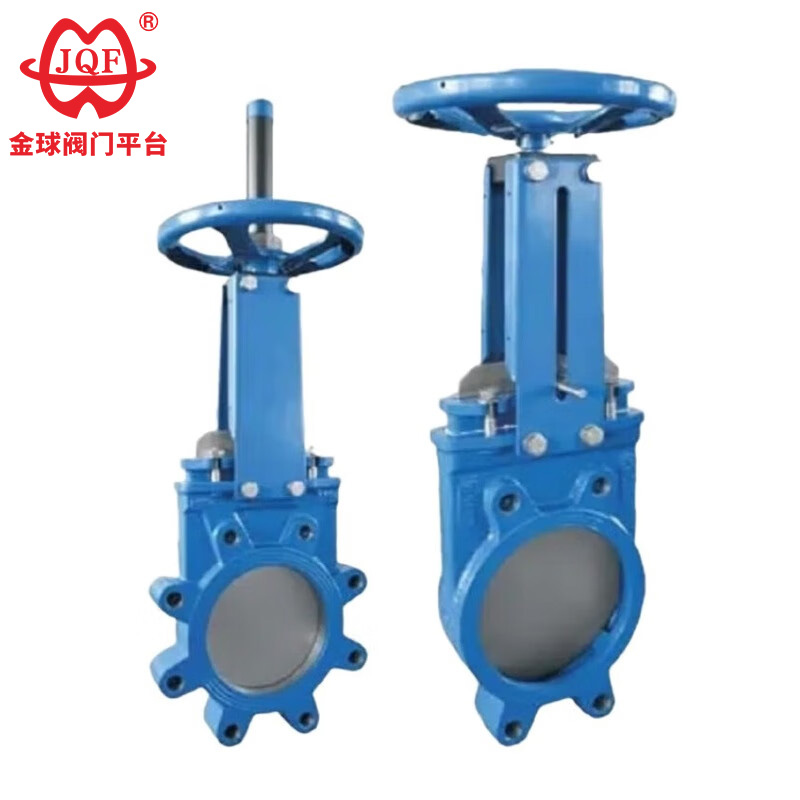

A Knife Gate Valve is a specialized industrial valve designed to handle challenging media such as slurry, powders, viscous fluids, and solids-laden liquids. This article provides a comprehensive explanation of what a knife gate valve is, how it works, its structural advantages, application scenarios, material options, and how to select the right knife gate valve for demanding environments.

A Knife Gate Valve is a linear-motion valve designed primarily for on/off isolation rather than flow regulation. Its defining feature is a thin, sharp-edged gate that can cut through thick media such as slurry, pulp, and powders.
Unlike traditional gate valves, knife gate valves are engineered with a compact body and minimal internal cavities, reducing material buildup and ensuring reliable shut-off in harsh service conditions.
Manufacturers like JQF focus on precision machining and robust sealing systems to ensure long-term performance in abrasive and corrosive environments.
The working principle of a knife gate valve is straightforward yet highly effective:
This design ensures smooth operation even when the fluid contains solid particles, fibers, or sludge.
Slurry systems present unique challenges: abrasion, sedimentation, clogging, and erosion. Knife gate valves are specifically engineered to overcome these issues.
This makes them indispensable in industries such as mining, wastewater treatment, and pulp & paper processing.
| Component | Function |
|---|---|
| Gate (Blade) | Cuts through media and isolates flow |
| Valve Body | Supports pressure and connects pipeline |
| Seat | Provides sealing performance |
| Stem | Transfers actuator force to gate |
| Packing | Prevents leakage along stem |
| Valve Type | Best Use | Limitations |
|---|---|---|
| Knife Gate Valve | Slurry, solids, viscous media | Not ideal for throttling |
| Gate Valve | Clean liquids | Clogs in slurry |
| Ball Valve | High-pressure clean fluids | Seat damage by solids |
Material selection directly impacts valve longevity and safety.
Seat materials may include EPDM, NBR, PTFE, or metal seats depending on service conditions.
In all these industries, knife gate valves provide reliable isolation with minimal downtime.
Consider the following factors:
Working with experienced manufacturers like JQF ensures proper valve selection and long-term operational success.
Preventive maintenance significantly extends valve service life.
Some designs allow bidirectional sealing, but many knife gate valves are unidirectional. Always verify specifications.
They are generally designed for low to medium pressure. High-pressure applications require reinforced designs.
Manual handwheel, pneumatic actuator, and electric actuator are commonly used.
Conclusion: A knife gate valve is not just a component—it is a critical solution for handling abrasive, viscous, and solids-laden media efficiently. Choosing the right design and manufacturer can dramatically improve system reliability and reduce operational costs.
If you are looking for high-performance knife gate valves tailored to your application, JQF offers professional solutions backed by engineering expertise and strict quality control. Contact us today to discuss your project requirements and receive expert support.