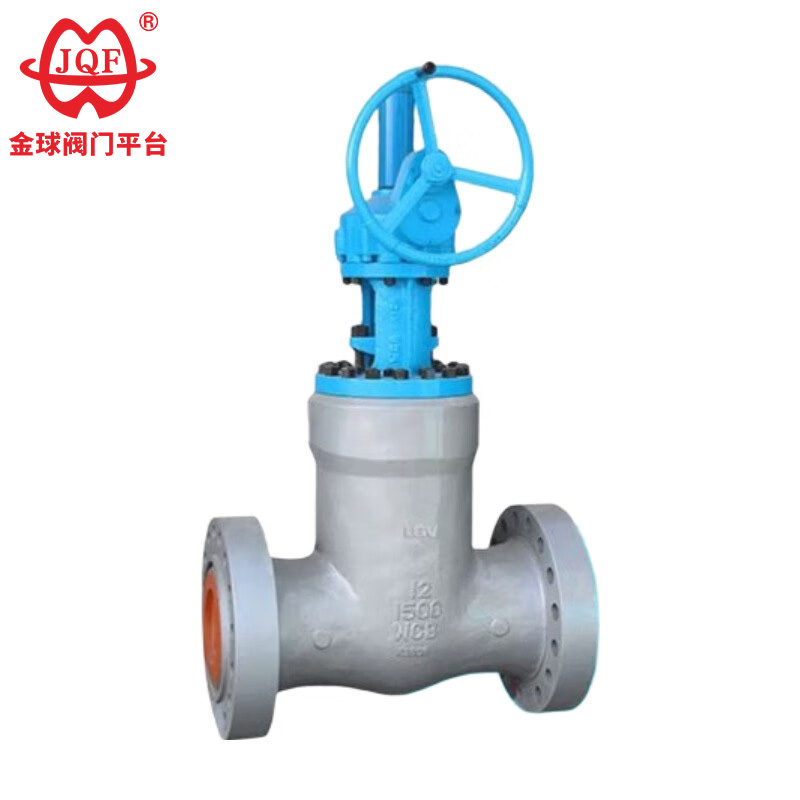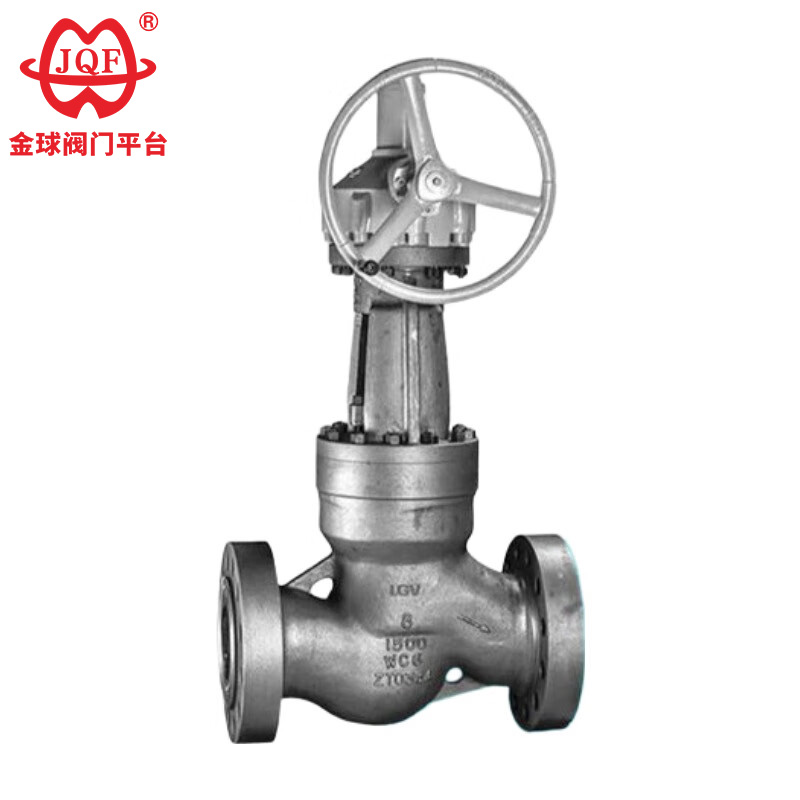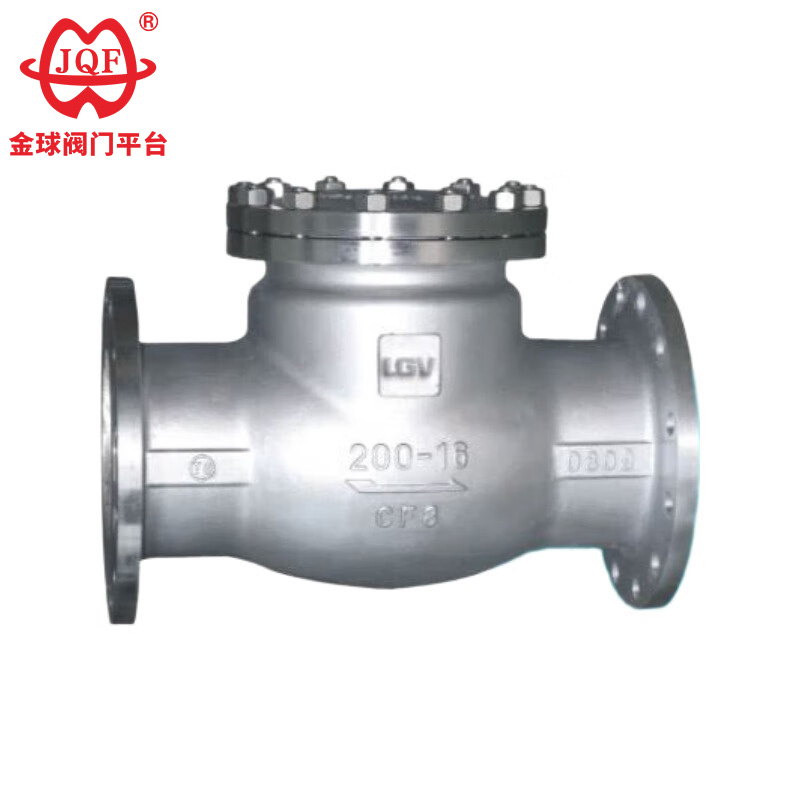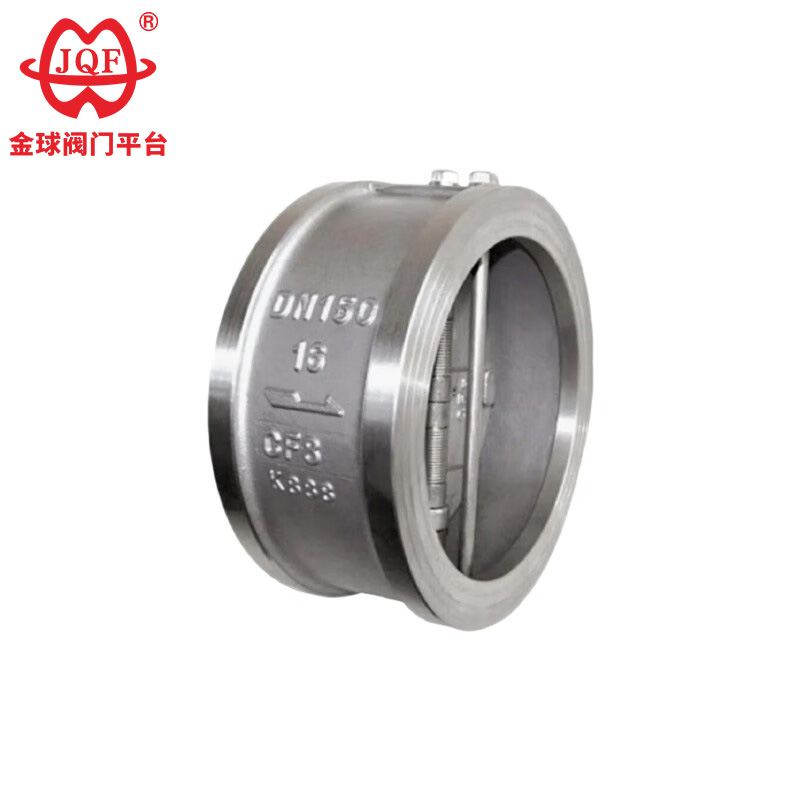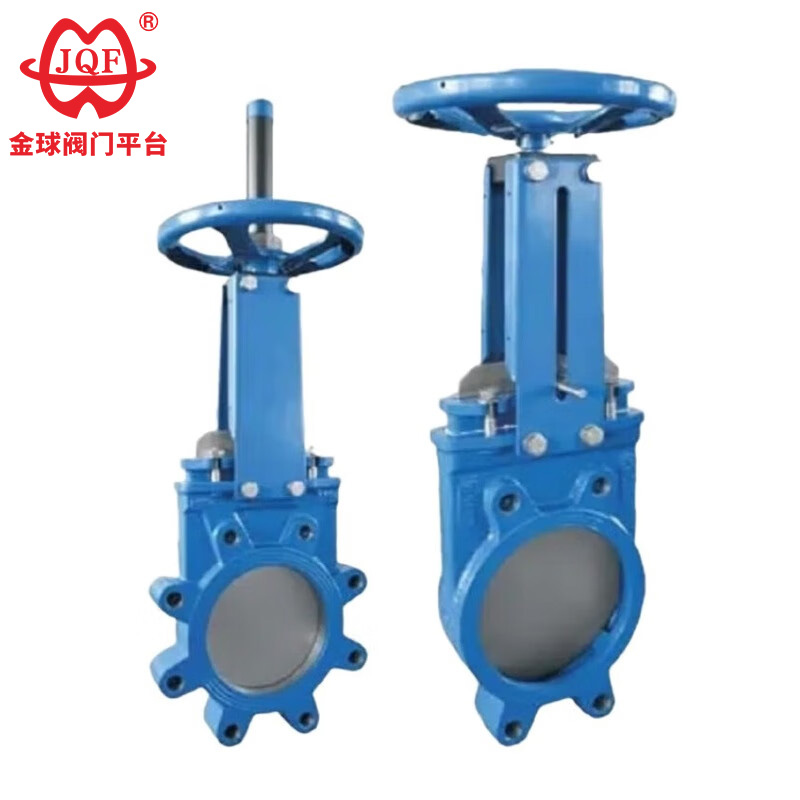

A Knife Gate Valve plays a decisive role in industries that handle slurry, powder, fiber, or viscous media where traditional valves often fail. This in-depth guide explores what a Knife Gate Valve is, how it works, why it is essential for challenging applications, and how to choose the right model for your system.
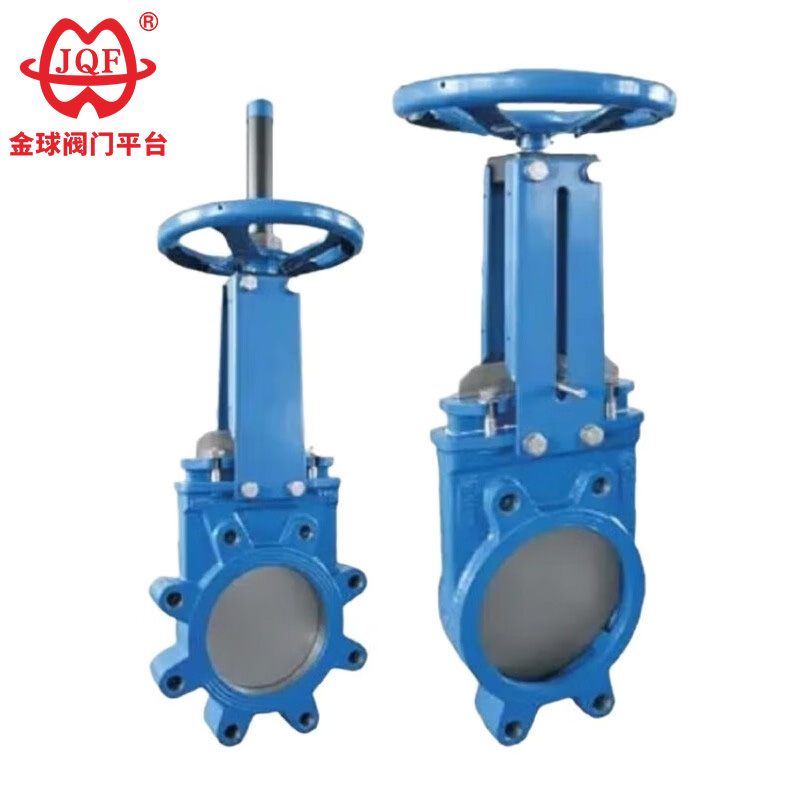
A Knife Gate Valve is a specialized shut-off valve designed to cut through thick fluids, slurries, and solids in suspension. Unlike conventional gate valves, it features a thin, sharp-edged gate that moves linearly to slice through media and provide reliable isolation.
The Knife Gate Valve was originally developed for the pulp and paper industry, but today it is widely used in mining, wastewater treatment, cement, chemical processing, and power generation. Its simple design, low-pressure drop, and excellent sealing capability make it indispensable where clogging is a concern.
For a detailed product overview, you can also refer to this authoritative resource: Knife Gate Valve technical specifications.
The working principle of a Knife Gate Valve is straightforward yet highly effective. The valve consists of a body, gate (knife), seat, stem, and actuator (manual, pneumatic, or electric).
This linear motion minimizes turbulence and prevents material buildup, which is especially important when handling fibrous or abrasive substances.
A high-quality Knife Gate Valve integrates several design features to ensure durability and performance:
Traditional valves often fail when exposed to slurry or solid-laden media due to clogging, erosion, or incomplete sealing. A Knife Gate Valve addresses these challenges directly.
Its thin gate design minimizes contact area, while the cutting action prevents material from jamming the valve. As a result, Knife Gate Valves provide:
The versatility of the Knife Gate Valve makes it suitable for a wide range of industries:
| Industry | Typical Media | Application |
|---|---|---|
| Mining | Ore slurry, tailings | Slurry transport and isolation |
| Pulp & Paper | Pulp, fibers | Stock preparation and discharge |
| Wastewater | Sewage, sludge | Flow control and shut-off |
| Cement | Powder, clinker | Material handling systems |
Understanding how a Knife Gate Valve compares with other valve types helps clarify its value:
Knife Gate Valves come in multiple configurations to suit different operating conditions:
Selecting the correct Knife Gate Valve requires careful evaluation of operating parameters:
Partnering with an experienced manufacturer like Jinqiu ensures the valve is tailored to your specific application.
Proper installation directly impacts Knife Gate Valve performance:
With years of manufacturing expertise, Jinqiu delivers Knife Gate Valves that meet international standards for durability, sealing performance, and operational reliability.
Each valve is engineered with precision materials, strict quality control, and application-driven design, making it a trusted choice for demanding industrial environments.
Knife Gate Valves are primarily designed for low to medium pressure applications. For higher pressures, reinforced or specially designed models are recommended.
Yes, bi-directional Knife Gate Valves are available, but the correct seat design must be selected.
Service life depends on media abrasiveness, operating frequency, and maintenance practices. High-quality valves offer long operational life.
If you are looking for a reliable, application-specific Knife Gate Valve solution, now is the perfect time to contact us. The Jinqiu team is ready to support your project with professional guidance and proven valve technology.