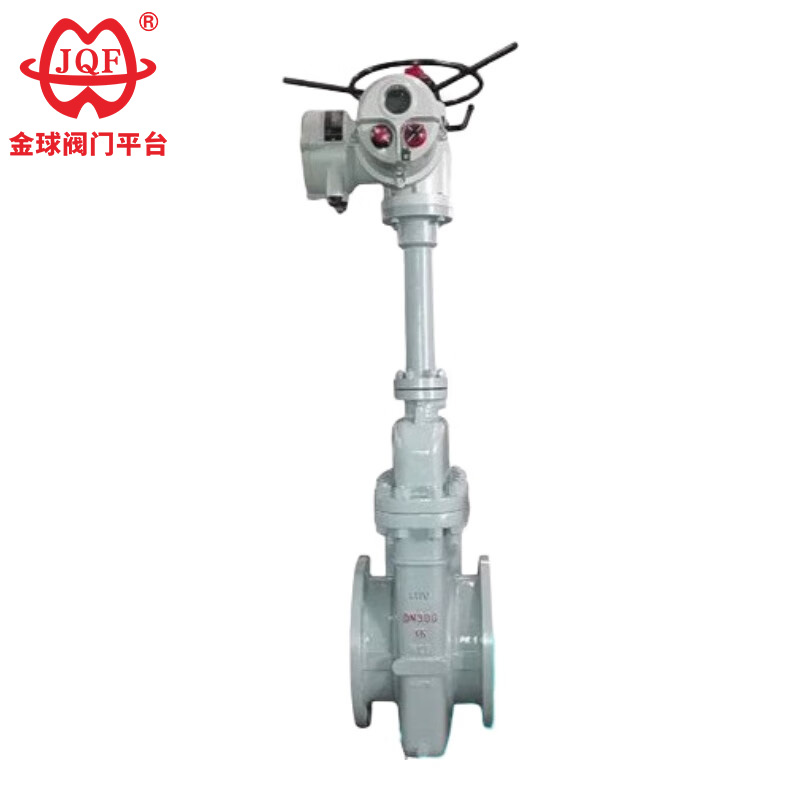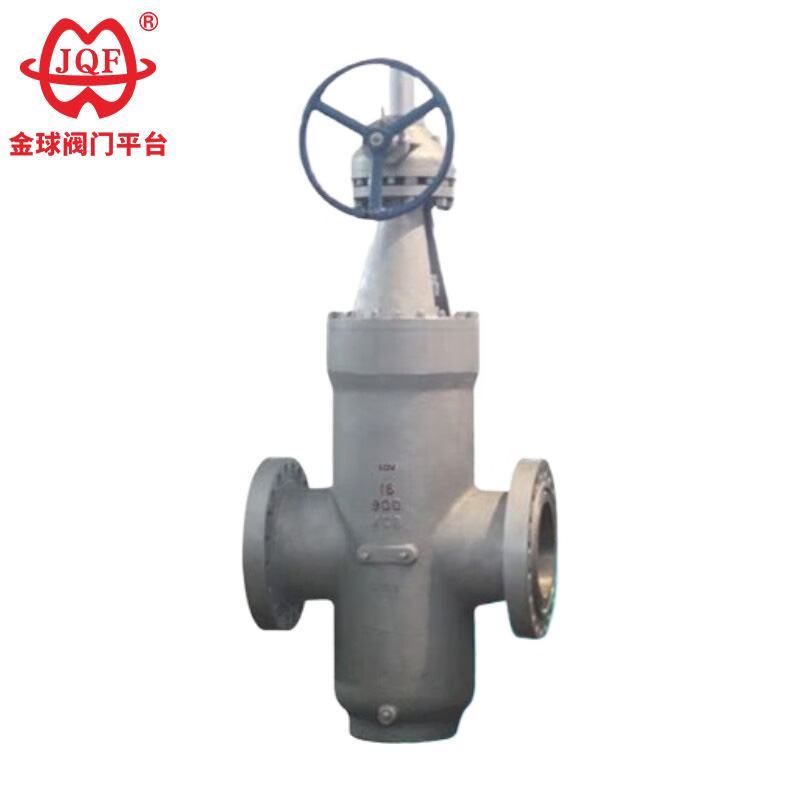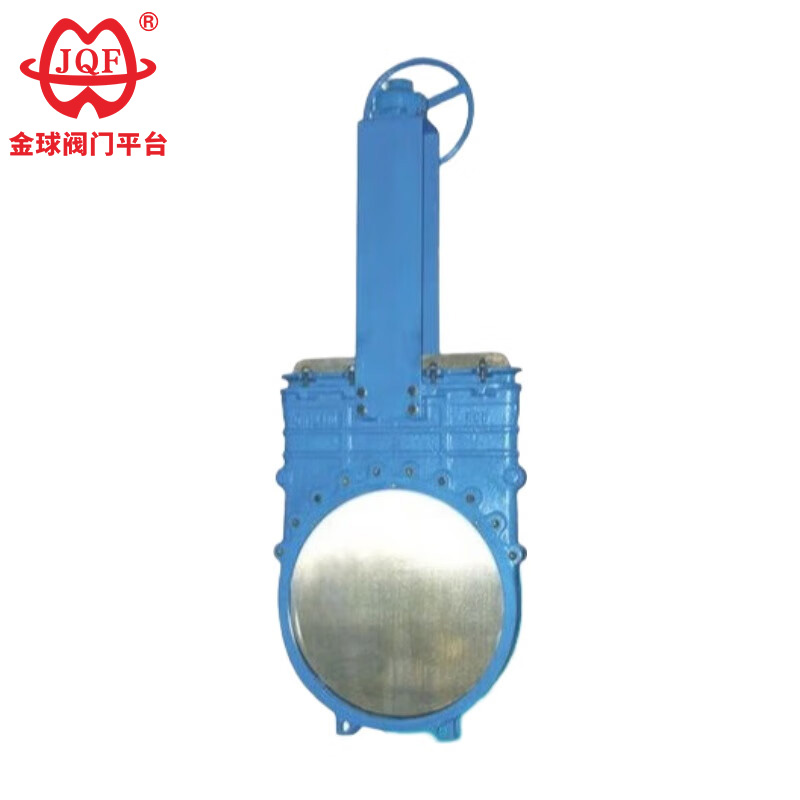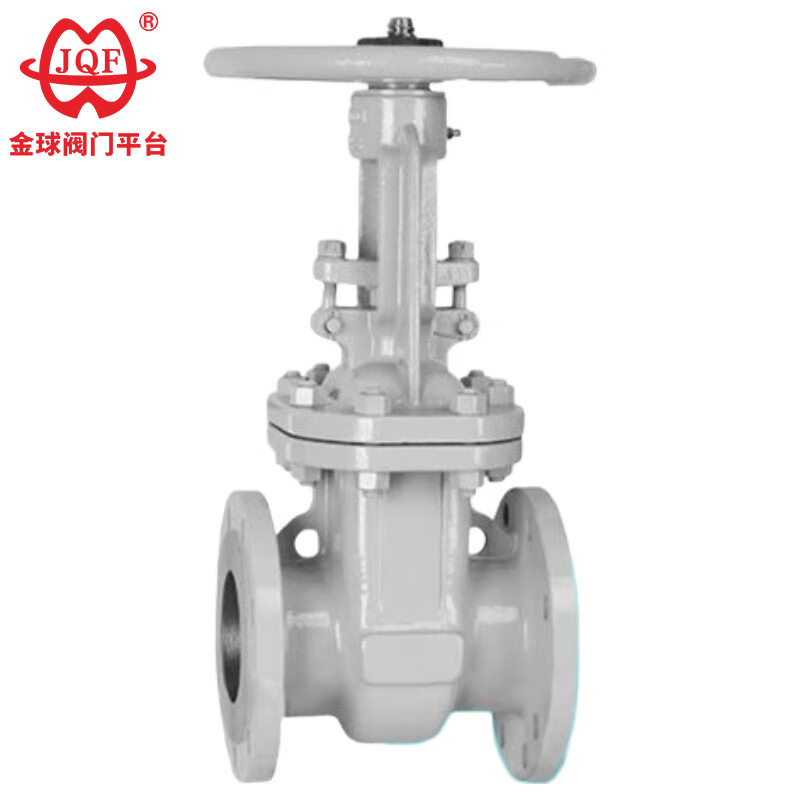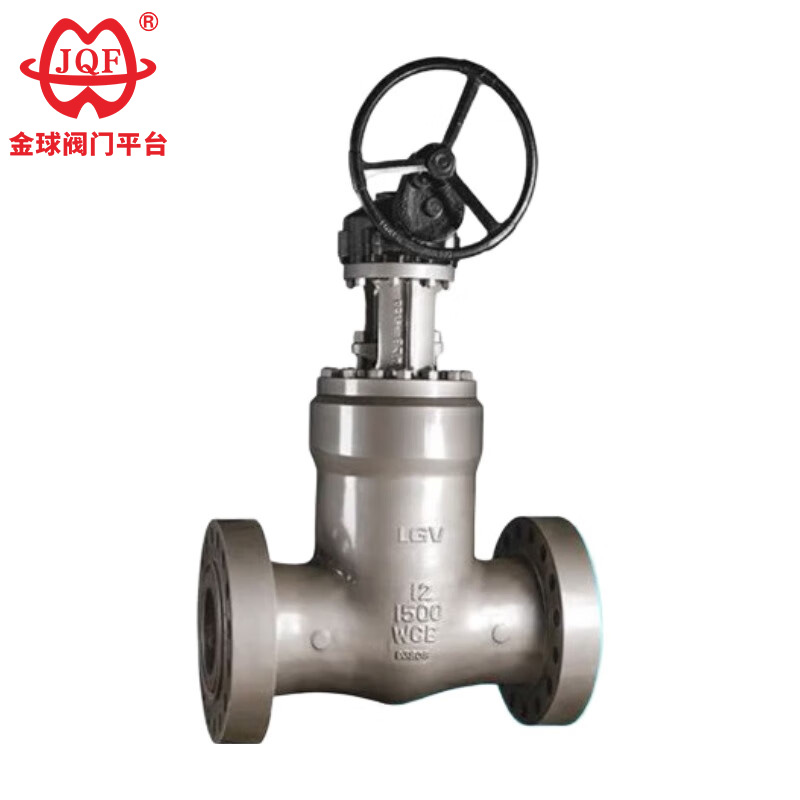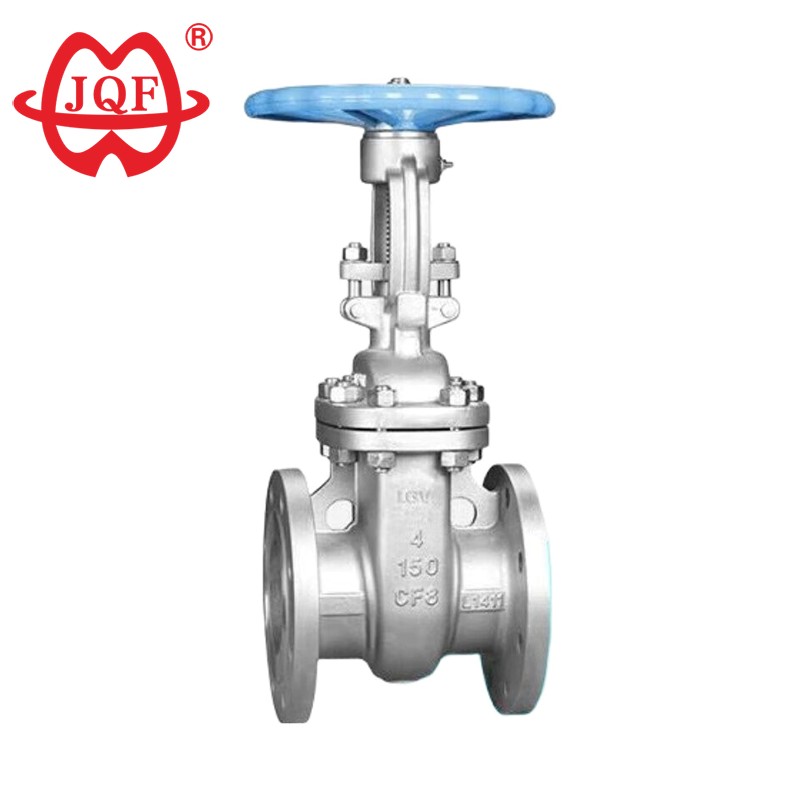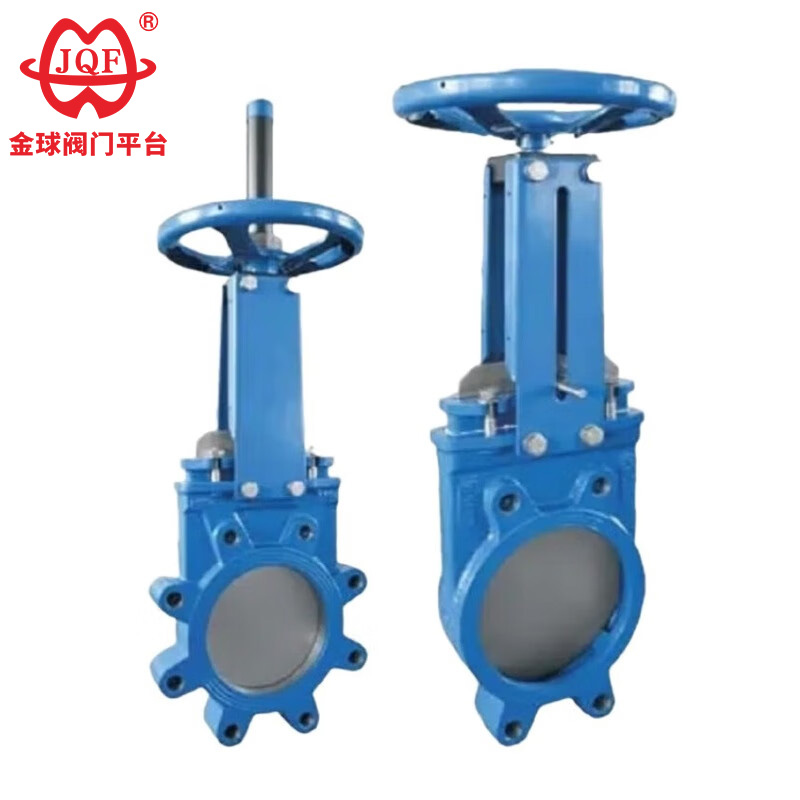

As a professional valve manufacturer in China, Foshan Jinqiu Valve Co., Ltd. has been in the valve industry for 23 years, mainly producing knife gate valves, butterfly valves, check valves, gate valves, filters, and various non-standard valves. A high quality gate valve is a valve whose opening and closing mechanism moves perpendicular to the direction of media flow; it can only be fully open or fully closed and cannot be used for regulation or throttling. To better serve customers, Jinqiu Valve has further improved and expanded its sales network and is committed to building a comprehensive marketing system that can respond promptly to user needs and market information, providing users with high-quality and convenient pre-sales, sales, and after-sales services, allowing users to truly experience Jinqiu's professional and distinctive services.
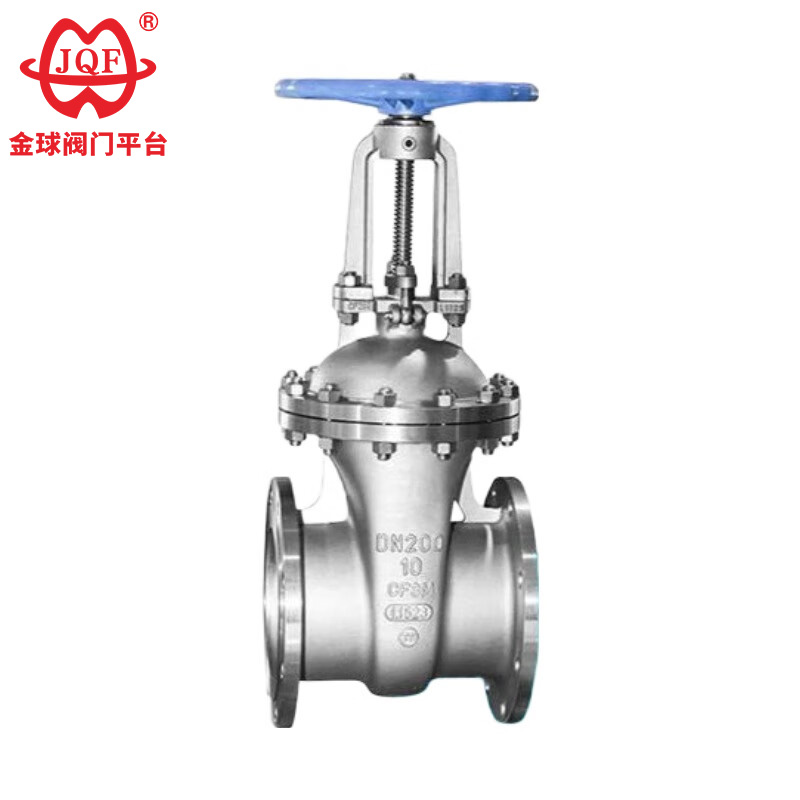
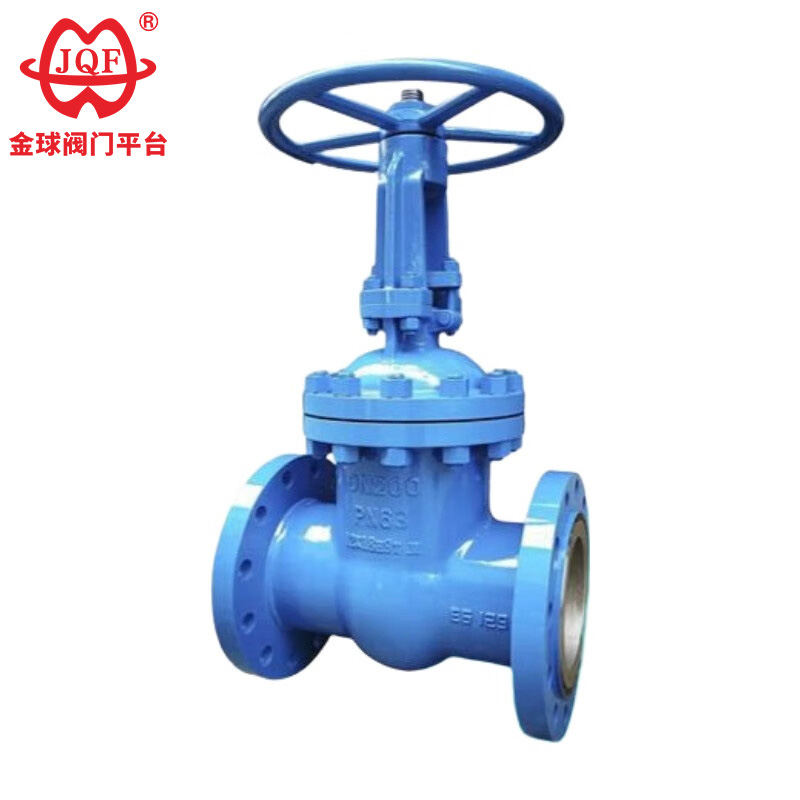
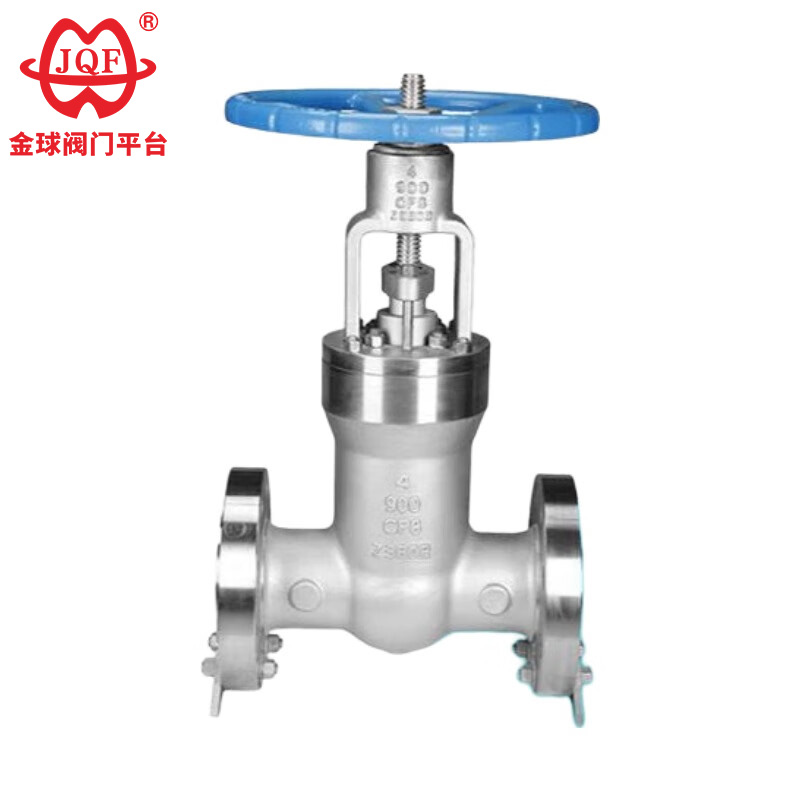
Durable Gate valves are one of the key products of JQF Valve. The gate's movement direction is perpendicular to the fluid direction, allowing only full opening and full closing; they cannot be used for regulation or throttling. Gate valves achieve sealing through the contact between the valve seat and the gate. Typically, the sealing surface is overlaid with metal materials to increase wear resistance, such as 1Cr13, STL6, or stainless steel. Gates can be rigid or resilient; based on the type of gate, gate valves are classified as rigid gate valves or resilient gate valves.
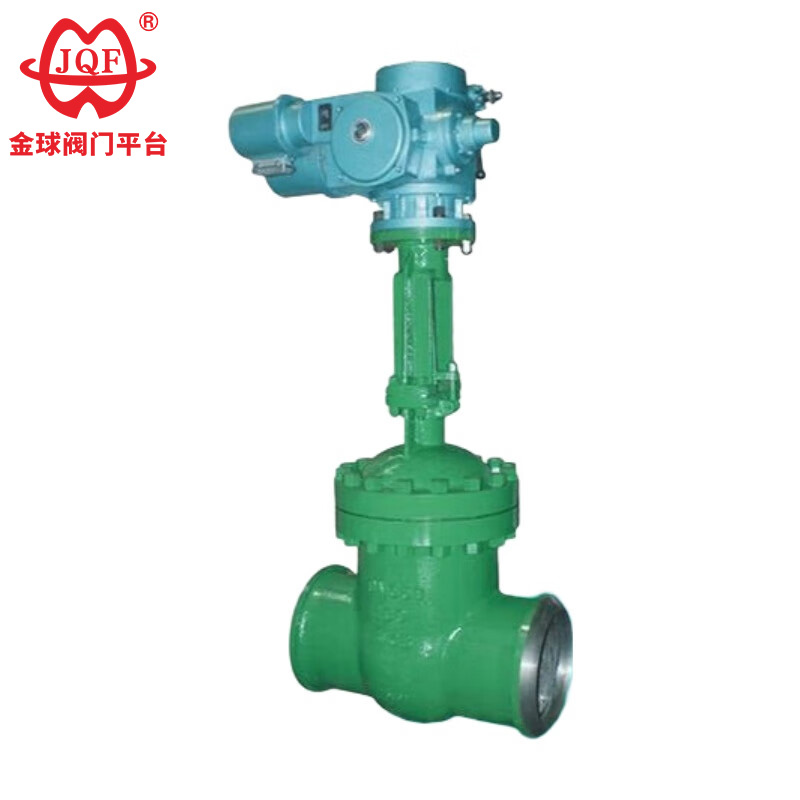
Advanced Gate valves are mainly classified according to their structure and actuation method. Based on structure, they can be divided into wedge gate valves (single or resilient gate), knife gate valves, and parallel gate valves (double gate). Based on actuation method, they can be divided into manual gate valves and electric gate valves. Furthermore, they can be classified according to the stem's rising/falling motion into rising stem gate valves and non-rising stem gate valves.
1. Low flow resistance and low energy consumption: The internal medium passage of a gate valve is straight, and the medium does not change its flow direction when passing through the gate valve. Therefore, the fluid resistance is very low. This can significantly reduce the energy consumption of pumps or compressors for large-diameter or long-distance pipelines.
2. Easier opening and closing: Because the movement direction of the gate is perpendicular to the medium flow direction, less force is required to open and close it compared to a globe valve.
3. Unrestricted medium flow direction: The gate valve has a symmetrical structure, allowing the medium to flow from either side of the gate valve in any direction. There are no directional requirements during installation, which greatly facilitates pipeline layout and installation.
4. Good sealing performance: When fully open, the sealing surface is isolated from the medium, resulting in less erosion and wear from the medium.
5. Shorter structural length: Compared to a globe valve, the gate valve has a shorter structural length, which is very advantageous in situations where installation space is limited.
1) The installation location, height, and inlet/outlet direction must meet design requirements, and connections must be secure and tight.
2) For all manual valves installed on insulated pipelines, the handles must not point downwards.
3) Gate valves must undergo a visual inspection before installation. The nameplate of the gate valve should comply with the current national standard "General Valve Marking" GB 12220. For valves with a working pressure greater than 1.0 MPA and those serving a shut-off function on main pipelines, strength and tightness tests must be conducted before installation. Only valves that pass the tests are permitted for use. During the strength test, the test pressure is 1.5 times the nominal pressure, and the duration is no less than 5 minutes. No leakage from the valve body or packing is required for acceptance. During the tightness test, the test pressure is 1.1 times the nominal pressure; the test pressure and duration should meet the requirements of GB 50243 standard, and no leakage from the valve disc sealing surface is required for acceptance.
4) Handwheels, handles, and transmission mechanisms are not allowed for lifting purposes and must be protected from impact.
5) Gate valves with transmission mechanisms should be installed according to the product instruction manual.